Dahua wireless security cameras are designed to provide flexible surveillance without depending on traditional power cables. They are useful for locations where installing electrical wiring is difficult, expensive, or inconvenient. You can install them at construction sites, warehouses, farms, parking areas, remote entrances, and other outdoor locations. However, one important question comes before choosing a battery-powered camera: how long do batteries last in Dahua wireless security cameras? The answer depends on the camera model, battery capacity, operating mode, recording activity, and network conditions. Dahua offers several battery-powered models with different specifications and power-management features. For example, the Dahua IPC-HFW2441DG-4G-SP-B has a 10,000mAh lithium iron phosphate battery with a 64Wh capacity. Its published operating figures range from 76 days in ultra-power-saving mode to two days in continuous performance mode. This difference shows why battery life cannot be explained with one number. A camera that records only when necessary can operate much longer than one configured for continuous recording. Understanding these differences will help you select the right Dahua camera and manage its battery more effectively.
Understanding Dahua Wireless Camera Battery Life
Dahua battery-powered security cameras use rechargeable battery technology to support surveillance in locations without a permanent power connection. Instead of depending entirely on an electrical outlet, these devices store energy in an internal battery and use it to operate the camera, sensors, communication system, and other features. Battery life is influenced by how the camera is configured and how much activity it detects throughout the day. A camera installed near a quiet farm entrance may consume less energy than one monitoring a busy construction site. Similarly, frequent live viewing and continuous recording can increase power consumption. Dahua provides different operating modes on selected battery-powered models, allowing users to balance surveillance performance and energy efficiency. These modes are particularly important when installing cameras in remote locations where regular charging is difficult. Rather than focusing only on battery capacity, you should understand how the camera uses its available energy. A larger battery can provide more stored power, but the actual operating time still depends on the camera’s workload. Checking the official Dahua specifications before purchasing is the best way to understand what a particular model can deliver.
Dahua Battery-Powered Camera Technology
Dahua develops battery-powered security cameras for different surveillance environments. Some models support Wi-Fi connectivity, while others use 4G mobile networks to transmit video from locations without a traditional internet connection. This makes them useful for temporary construction projects, agricultural properties, remote buildings, and outdoor monitoring. Depending on the model, Dahua cctv cameras can include human detection, motion detection, night vision, two-way audio, local storage, and solar charging support. These features allow users to monitor important areas without installing a complete wired CCTV system. However, every active feature requires energy, so battery consumption changes according to usage. Dahua also uses power-management technology to reduce consumption when full camera performance is unnecessary. For example, selected models offer ultra-power-saving, power-saving, AOV, and performance modes. These settings allow the camera to operate according to different monitoring requirements. If your main priority is longer battery life, a power-saving configuration may be suitable. If you require more frequent monitoring or continuous recording, you should expect shorter operating periods. Choosing the right operating mode is an important part of maintaining reliable Dahua surveillance.
Battery Capacity and Operating Modes
Battery capacity tells you how much electrical energy a camera can store, but it does not directly tell you how many days the camera will operate. Dahua uses different battery capacities across its battery-powered camera range. For example, the IPC-HFW2441DG-4G-SP-B has a 64Wh battery, while the BF4CP-4G-XL uses a 32.4Wh battery. The Dahua APOLLO BP5E-4G has a 36Wh battery. These figures help you compare the energy storage available in different models. However, the camera’s power consumption is equally important. Dahua’s IPC-HFW2441DG-4G-SP-B offers several operating modes with different power requirements. Ultra-power-saving mode consumes approximately 0.036W, while performance mode consumes approximately 1.33W. This explains why the same camera can provide very different operating times depending on its settings. When comparing Dahua cameras, always check both battery capacity and power consumption. A camera with a larger battery may still require more frequent charging if it operates continuously or uses energy-intensive features. Dahua International+2
Dahua Battery-Powered Camera Models
Dahua offers battery-powered cameras for different security applications. Some are designed for remote locations using 4G connectivity, while others provide solar charging support and advanced recording options. The right model depends on where you plan to install the camera and how frequently you need it to record. For example, a temporary construction site may require a different solution from a residential entrance or agricultural property. Before purchasing, compare the battery specifications, supported network technology, recording modes, weather protection, and charging options. The following Dahua models provide useful examples of how battery capacity and power-management features differ across the product range. Their specifications also demonstrate why there is no single battery-life estimate that applies to every Dahua wireless camera.
Dahua IPC-HFW2441DG-4G-SP-B
The Dahua IPC-HFW2441DG-4G-SP-B is a battery-powered 4G security camera designed for locations where conventional network and power connections may not be available. It features a 10,000mAh lithium iron phosphate battery with a capacity of 64Wh. One of its important advantages is the availability of different operating modes, allowing users to balance recording requirements with battery performance. According to Dahua’s official specifications, the camera provides up to 76 days in ultra-power-saving mode when no triggered recording occurs. In power-saving mode, with 30 daily alarms lasting under 15 seconds each, the stated operating period is 56 days. AOV mode provides approximately 10 days under the specified testing conditions, while performance mode supports approximately two days of continuous recording. These figures are especially useful because they show how much recording activity affects battery consumption. The camera also supports a 10.5W solar module, which can help maintain its battery charge when sufficient sunlight is available. With IP67 protection, it is suitable for demanding outdoor installation environments within its specified operating limits. Dahua International
Dahua BF4CP-4G-XL
The Dahua BF4CP-4G-XL is another battery-powered 4G security camera designed for flexible outdoor surveillance. It features a built-in 32.4Wh lithium battery and supports different power-consumption modes. Its specifications list approximately 0.04W consumption in ultra-power-saving mode, 0.041W in power-saving mode, 0.2W in AOV mode, and 1.2W in performance mode. These figures show how the selected recording configuration affects energy usage. The camera also supports human and vehicle detection, which can help users monitor important activity around their properties. Its 4G connectivity makes it useful for locations where installing a conventional network connection is difficult. It supports microSD storage up to 512GB and uses Dahua’s DMSS mobile application for management. The camera has IP66 protection, making it suitable for outdoor environments when installed according to manufacturer instructions. Although its battery capacity is specified, you should not assume a fixed number of operating days without considering the selected recording mode and actual site conditions. Dahua MENA
Dahua APOLLO BP5E-4G
The Dahua APOLLO BP5E-4G is a battery-powered 4G camera designed for surveillance locations that require flexible installation. It features a 36Wh battery and supports an 8W solar module. This combination makes it a useful option for outdoor locations where a permanent electrical connection may not be practical. The camera supports 4G connectivity, allowing it to communicate through a compatible mobile network. It also offers several power modes, including performance, AOV, and ultra-power-saving configurations. Dahua lists power consumption of approximately 1.22W in performance mode, 0.1W in AOV mode, and 0.02W in ultra-power-saving mode. The camera supports 3K video, two-way audio, microSD storage up to 512GB, and IP66 weather protection. These features make it worth considering for remote properties, temporary installations, and outdoor monitoring applications. However, Dahua’s published specifications do not provide a single guaranteed battery-life figure for every operating condition. You should therefore select the operating mode according to your security requirements and consult the model’s latest datasheet for complete information. Dahua MENA
What Affects Dahua Camera Battery Life?
Even when you purchase a Dahua camera with a high-capacity battery, its operating time can change depending on the installation environment. A camera installed in a quiet location may use less energy than one monitoring a busy entrance. This is because battery-powered cameras activate different functions whenever they detect movement, capture video, transmit footage, or communicate with a mobile application. Network conditions and weather can also influence performance. Understanding these factors is important when selecting a Dahua camera for residential or commercial surveillance. You should consider the number of people and vehicles passing through the monitored area, the required recording mode, and the availability of sunlight if your camera supports solar charging. These details help you estimate how frequently the battery may need attention. The following factors are particularly important when planning a Dahua wireless CCTV installation.
Motion Detection and Recording Frequency
Motion detection has a major influence on the battery consumption of Dahua security cameras. When the camera detects movement, it may activate recording, process the event, and transmit an alert through the mobile application. Each additional event can increase energy consumption. For example, a Dahua camera installed at a quiet farmhouse entrance may detect only a few movements throughout the day. Another camera installed near a busy warehouse entrance may detect employees, delivery vehicles, visitors, and other activity throughout the working day. The second camera will generally use more energy because it performs more recording and detection activities. You can manage this by configuring motion detection areas and selecting suitable sensitivity settings where supported. Focus on important locations such as gates, doors, loading areas, and vehicle entrances. Avoid monitoring unnecessary areas that generate repeated alerts. This is particularly useful for commercial properties because passing traffic and unnecessary movement can create frequent recordings. A properly configured Dahua camera can help reduce unnecessary activity while maintaining the monitoring coverage your property requires.
Video Quality and Live Viewing
Video quality and live viewing can also influence the operating time of Dahua battery-powered cameras. Higher-resolution recording requires additional processing, while live streaming keeps the camera active for the duration of the viewing session. If you frequently open the DMSS application to watch live footage, your camera may consume more energy than it would during normal standby operation. This is especially relevant for remote installations where users regularly check the camera from another location. For example, a business owner may open the camera several times throughout the day to monitor employees, deliveries, and vehicle movements. Although live viewing is a useful security feature, unnecessary sessions can increase power consumption. The best approach is to use live viewing when you genuinely need to inspect an area and rely on event notifications for routine monitoring. You should also choose a recording configuration that provides enough detail for your security requirements. Clear footage is important for identifying people and vehicles, but the recording mode should match the camera’s battery capacity and expected daily activity.
4G Network and Signal Strength
Dahua 4G security cameras are useful for locations where conventional broadband connections are unavailable. They can communicate through a compatible mobile network, making them suitable for farms, construction sites, remote entrances, and temporary installations. However, network quality can influence camera performance. If a camera is installed in an area with weak mobile coverage, it may experience communication problems, delayed notifications, or interrupted remote access. Network connectivity and video transmission also require energy. Before installing a Dahua 4G camera, check the available mobile signal at the proposed location. Do not assume that a strong mobile signal inside your office will provide the same performance outside your building or at the far end of your property. If necessary, consider a better installation position that provides more reliable network coverage. Also check the supported 4G frequency bands against your mobile operator’s network. A suitable network connection helps your Dahua camera communicate more reliably and reduces unnecessary troubleshooting. This is particularly important for locations where the camera is expected to operate without frequent physical maintenance.
Weather and Temperature
Outdoor Dahua security cameras must operate under changing environmental conditions. Temperature can influence battery performance, particularly when the device is exposed to very cold or hot weather for extended periods. Cold conditions can temporarily reduce the available energy from rechargeable batteries. High temperatures can also affect long-term battery health. Dahua provides operating and charging temperature specifications for its battery-powered models, and these should be checked before installation. For example, the IPC-HFW2441DG-4G-SP-B specifies a charging temperature range of 0°C to +50°C and a discharging range of -20°C to +60°C. These limits are important because charging and normal battery operation do not necessarily have identical temperature requirements. You should also choose an appropriate mounting location that protects the equipment from unnecessary direct exposure to heat and harsh environmental conditions. Make sure the selected model has the required weather-protection rating for its installation environment. A suitable installation position can help maintain reliable operation and protect your equipment over time. Dahua International
Night Vision and Lighting
Night vision is an important feature for Dahua cameras installed in areas where visibility becomes limited after sunset. It helps monitor entrances, parking spaces, warehouses, and outdoor property boundaries during nighttime hours. However, additional lighting and image-processing functions can increase power consumption. A camera that repeatedly activates night vision or other lighting features may use more energy than one operating in a well-lit environment. Your installation location therefore matters. For example, a camera positioned near a streetlight may require less additional illumination than one installed in a completely dark field. Depending on the model, Dahua cameras offer different night-monitoring technologies and configurations. You should check the available options in the camera’s specifications and select settings according to your actual surveillance requirements. Avoid disabling essential nighttime security features simply to save battery power. Instead, configure the camera to monitor the necessary areas and use the available power-management options. This approach helps maintain useful nighttime footage while managing battery consumption.
How to Extend Dahua Camera Battery Life
Getting better battery performance from your Dahua camera does not always require purchasing a larger battery. In many cases, the way you install and configure the camera makes a significant difference. Start by selecting an appropriate operating mode according to your monitoring requirements. If you do not need continuous recording, consider a suitable power-saving option supported by your model. Configure motion detection carefully so that the camera focuses on important areas instead of unnecessary background movement. Check the 4G or Wi-Fi connection to make sure the camera has reliable network coverage. You should also avoid excessive live viewing when it is not required. For solar-compatible Dahua models, position the solar panel where it can receive sufficient sunlight throughout the day. Regularly inspect the camera, battery condition, charging connection, and solar panel surface. Dust, dirt, and obstructions can reduce the effectiveness of solar charging. These simple maintenance practices can help improve operating efficiency and reduce unnecessary charging interruptions. Remember that the available settings vary between Dahua models, so always consult the relevant user manual before changing important configurations.
Practical tips for better Dahua battery performance:
- Select an appropriate power-saving mode.
- Adjust motion detection sensitivity where supported.
- Create suitable detection areas to reduce unnecessary recordings.
- Avoid unnecessary live streaming through the DMSS application.
- Check 4G network coverage before installation.
- Install compatible solar panels where sunlight is available.
- Keep solar panels clean and free from obstructions.
- Follow Dahua’s recommended charging and operating temperature limits.
- Check battery notifications and investigate unusual power consumption.
- Keep camera firmware updated using official Dahua updates.
Are Dahua Solar Security Cameras Worth Buying?
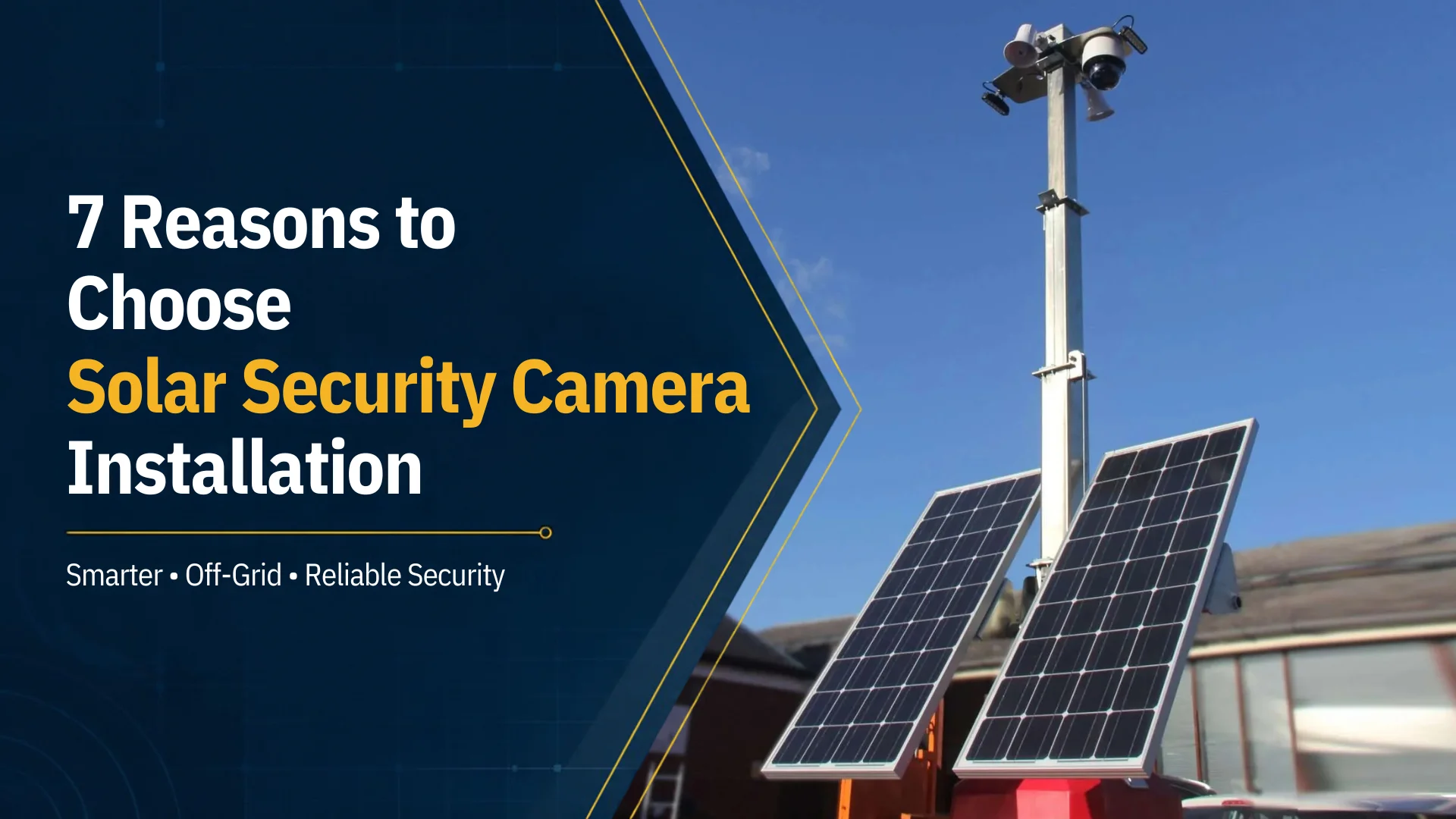
Dahua solar security cameras are worth considering when you want to reduce manual battery charging. Selected Dahua battery-powered models support compatible solar modules that help recharge their batteries using sunlight. This can be particularly useful for construction sites, agricultural properties, remote warehouses, parking areas, and other locations without convenient electrical connections. For example, the Dahua IPC-HFW2441DG-4G-SP-B supports a 10.5W solar module, while the APOLLO BP5E-4G supports an 8W solar module. These solar charging options can help maintain the battery level when the installation receives sufficient sunlight. However, solar charging does not guarantee unlimited operation. The amount of energy generated depends on sunlight exposure, panel positioning, weather, and camera activity. If the camera consumes more energy than the solar panel generates, the battery level can still decrease. You should therefore consider the expected daily recording activity before choosing a solar-powered system. A properly installed Dahua solar camera can reduce regular maintenance and provide a practical solution for remote surveillance, but the panel must be compatible with the selected camera model. Dahua International+1
Benefits of Dahua Solar-Powered Cameras
Solar-powered Dahua cameras offer several practical advantages for outdoor security applications. They can help reduce the need for manual charging, especially when installed in areas with consistent sunlight. They are also useful where running electrical cables would require additional labour or infrastructure. A compatible solar panel can support the camera’s rechargeable battery while allowing the device to continue monitoring the property.
For businesses, this can simplify security installations at temporary or remote locations. Construction companies, farms, and warehouse operators may benefit from installing cameras without depending on nearby electrical outlets. However, solar panels should always be installed according to Dahua’s recommendations. Consider the panel’s rated power, the camera’s daily energy consumption, and the amount of available sunlight. These factors determine whether the solar setup can support your expected monitoring activity.
Rechargeable Batteries and Long-Term Maintenance
Battery maintenance is important if you want your Dahua wireless security camera to provide reliable performance over an extended period. Rechargeable batteries gradually experience changes in capacity as they go through charging and discharging cycles. This is a normal part of battery use and does not necessarily mean that your camera has developed a fault. Dahua’s IPC-HFW2441DG-4G-SP-B uses a lithium iron phosphate battery, with a published battery lifetime of more than 1,000 cycles. This specification makes battery technology an important consideration when comparing security cameras. You should follow the manufacturer’s charging instructions and use compatible charging equipment. Avoid exposing the battery to temperatures outside its recommended operating range. If your camera supports solar charging, inspect the panel and connections regularly to make sure they remain in good condition. You should also monitor battery notifications and investigate unexpected drops in charge. Proper maintenance can help reduce interruptions and keep your Dahua security system working reliably. If the battery becomes damaged or its performance declines significantly, contact an authorized Dahua service provider for assistance rather than attempting an unsafe repair. Dahua International
Conclusion
So, how long do batteries last in wireless Dahua security cameras? The answer depends on the camera model, battery capacity, operating mode, and daily recording activity. Dahua’s IPC-HFW2441DG-4G-SP-B provides a useful example, with published operating figures ranging from 76 days in ultra-power-saving mode to two days in continuous performance mode under specified testing conditions. Other models, including the BF4CP-4G-XL and APOLLO BP5E-4G, offer different battery capacities and power-management features. If you want to reduce manual charging, consider a compatible Dahua solar-powered camera. Before purchasing, compare battery specifications, recording modes, network connectivity, and solar charging compatibility. Most importantly, choose a camera according to your actual security requirements. The right Dahua camera can provide flexible surveillance for homes, businesses, construction sites, farms, and remote properties without requiring traditional power wiring.