1. Introduction
Security is no longer a luxury it’s a necessity for homes and businesses alike. Break-ins, vandalism, theft, and liability disputes can happen anywhere, and property owners across Melbourne are increasingly turning to CCTV installation services to protect what matters most. A well-designed surveillance system does more than just record footage; it deters crime before it happens, provides peace of mind, and gives you the evidence you need if something ever goes wrong.
But not all CCTV installations are created equal. A poorly placed camera, weak Wi-Fi connection, or outdated equipment can leave dangerous blind spots which is exactly why professional installation matters. Hiring a qualified team ensures your system is designed around your property’s specific risks, wired and configured correctly, and backed by ongoing support.
In this guide, we’ll walk you through everything you need to know about CCTV installation from the different camera types and how to choose the right system, to the installation process, common mistakes to avoid, maintenance tips, and realistic pricing. By the end, you’ll have a clear roadmap for securing your home or business with confidence.
2. What Are CCTV Installation Services?
CCTV installation services refer to the professional design, setup, and configuration of closed-circuit television systems used to monitor and record activity across a property. This includes everything from selecting the right cameras and mounting them in strategic locations, to running cabling, configuring recording devices, and setting up remote viewing on your phone or computer.
Components of a CCTV System
- Cameras — the eyes of the system, available in various types and resolutions
- Recording device (NVR/DVR) — stores footage locally or syncs with cloud storage
- Cabling or wireless connectivity — transmits video data from cameras to the recorder
- Power supply — keeps cameras and recorders running, often with battery backup
- Monitor or mobile app — allows live viewing and playback
Types of Properties That Benefit from CCTV
From suburban homes and apartment complexes to retail stores, warehouses, construction sites, and office buildings, almost any property can benefit from a tailored surveillance solution. Whether you’re protecting a family home in the suburbs or managing security across multiple commercial sites, professional CCTV camera installation can be customized to fit your exact needs.
3. Benefits of Professional CCTV Installation
While DIY camera kits are widely available, professional installation offers advantages that make a real difference in how well your system performs when it matters most.
- Enhanced security — a professionally designed system eliminates blind spots and covers every vulnerable entry point.
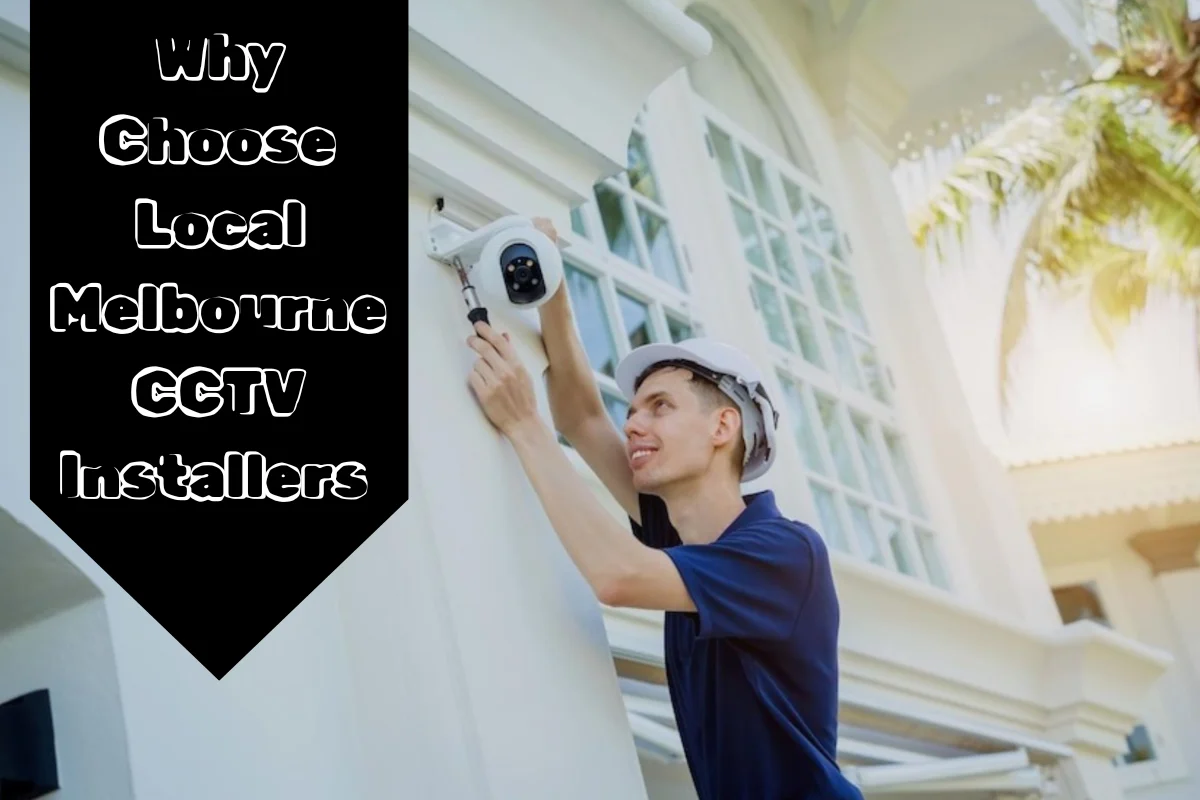
- Proper camera placement — technicians know the ideal height, angle, and positioning to maximize coverage and avoid glare or obstruction.
- High-quality image coverage — correct lens selection and configuration ensure clear, usable footage day and night.
- Remote monitoring capabilities — properly configured systems let you check in on your property from anywhere via a secure mobile app.
- Long-term reliability — quality installation reduces the risk of signal dropouts, faulty wiring, or system failures down the line.
- Expert technical support — professional installers provide troubleshooting and ongoing support that DIY setups simply can’t match.
4. Types of CCTV Cameras
Choosing the right camera type is essential to getting the coverage and image quality you need. Here’s a breakdown of the most common options used in professional CCTV installation today.
Dome Cameras
Compact and discreet, dome cameras are popular for indoor and retail environments. Their shape makes it difficult to tell which direction the lens is pointing, which can act as an additional deterrent.
Bullet Cameras
Cylindrical and highly visible, bullet cameras are ideal for outdoor use and long-range viewing. Their visible presence alone often discourages potential intruders.
PTZ (Pan-Tilt-Zoom) Cameras
These cameras can be remotely controlled to pan across an area, tilt up and down, and zoom in on specific details perfect for large properties like warehouses or car parks that need active monitoring.
IP Cameras
Internet Protocol cameras transmit digital video over a network, offering higher resolution and easier integration with remote viewing apps compared to older analog systems.
Wireless CCTV Cameras
Ideal for properties where running cables is difficult or costly, wireless cameras offer flexible placement and simpler installation though signal strength and interference need careful consideration.
Night Vision Cameras
Equipped with infrared or low-light sensors, these cameras ensure clear footage even in complete darkness, making them essential for round-the-clock security.
AI-Powered Smart Cameras
The latest generation of cameras uses artificial intelligence to detect people, vehicles, or unusual activity, sending real-time alerts and reducing false triggers from pets or moving branches.
5. How to Choose the Right CCTV System
With so many options available, selecting the right system comes down to a few key considerations.
- Assess your security needs — identify vulnerable entry points, high-traffic areas, and any previous security incidents.
- Indoor vs. outdoor cameras — outdoor units need weatherproofing and vandal-resistant housings, while indoor cameras can prioritize discretion.
- Storage options (NVR/DVR/Cloud) — decide whether local storage, cloud backup, or a hybrid approach best suits your budget and retention needs.
- Video resolution — 1080p is standard for most properties, while 2K and 4K offer sharper detail for identifying faces or license plates.
- Smart features — motion detection, facial recognition, and mobile alerts add an extra layer of proactive security.
- Budget considerations — balance upfront equipment costs against long-term reliability and support.
6. Residential vs. Commercial CCTV Solutions
Home and business security needs differ significantly, and a good home CCTV installation plan looks quite different from a commercial rollout.
Home Security Requirements
Homeowners typically need coverage at entry points, driveways, and backyards, paired with a simple mobile app for checking in on family members or deliveries.
Business Surveillance Needs
Business CCTV installation often requires broader coverage across warehouses, retail floors, and parking areas, along with employee monitoring and loss-prevention capabilities.
Multi-Site Monitoring
Businesses with multiple locations benefit from centralized systems that allow managers to monitor every site from one dashboard, streamlining oversight and incident response.
Access Control Integration
Combining CCTV with access control such as keycard entry or intercom systems creates a unified security ecosystem that tracks both who enters a property and what happens once they’re inside.
7. The CCTV Installation Process
Understanding what happens during a professional CCTV system installation helps set clear expectations.
- Site survey — technicians assess the property layout and identify key vulnerabilities.
- Security assessment — a tailored plan is developed based on your specific risks and goals.
- Camera positioning — cameras are mounted at optimal heights and angles for maximum coverage.
- Cable routing — wiring is run discreetly and safely, minimizing exposure to damage or tampering.
- System configuration — recorders, storage, and network settings are configured for smooth operation.
- Mobile app setup — remote viewing access is configured on your smartphone or tablet.
- Testing and training — the full system is tested, and you’re walked through how to use it confidently.
8. Common CCTV Installation Mistakes to Avoid
- Poor camera placement — leaving blind spots at entry points or key areas.
- Ignoring lighting conditions — cameras that aren’t suited for glare, backlighting, or darkness produce unusable footage.
- Weak Wi-Fi signal — wireless cameras with poor connectivity can drop footage or disconnect entirely.
- Low-quality equipment — cutting corners on cameras or recorders often leads to blurry footage and early failures.
- Incorrect storage setup — insufficient storage capacity can mean critical footage gets overwritten too quickly.
- Lack of regular maintenance — neglected systems are prone to lens grime, outdated firmware, and undetected failures.
9. CCTV Maintenance Tips
Routine CCTV maintenance services keep your system performing at its best long after installation day.
- Clean camera lenses regularly to prevent dust, cobwebs, or grime from blurring footage.
- Update firmware to patch security vulnerabilities and improve performance.
- Test recordings regularly to confirm footage is being captured and stored correctly.
- Inspect cables for wear, damage, or exposure to the elements.
- Backup important footage in case of system failure or storage overwrite.
- Schedule professional servicing at least once or twice a year for a full system health check.
10. How Much Do CCTV Installation Services Cost?
The cost of CCTV installation services varies depending on several factors, including the number of cameras, property size, cabling requirements, and the complexity of the system.
Factors Affecting Cost
Camera quality, resolution, storage capacity, wireless vs. wired setup, and additional features like AI detection all influence final pricing.
Residential Installation Pricing
Home installations are generally more affordable, given smaller property sizes and simpler coverage requirements.
Commercial Installation Pricing
Commercial projects typically involve higher costs due to a greater number of cameras, more complex cabling, and integration with access control or alarm systems.
Equipment Costs
Higher-resolution cameras, PTZ units, and AI-powered smart cameras carry a higher price tag than standard fixed cameras.
Maintenance Costs
Ongoing servicing, firmware updates, and occasional part replacements should be factored into your long-term budget.
Tips for Getting the Best Value
Request a detailed, itemized quote, compare warranty terms, and prioritize installers who offer ongoing support rather than choosing solely on upfront price.
11. Why Choose a Professional CCTV Installation Company
- Certified technicians who understand the technical and regulatory requirements of surveillance installation.
- Customized security solutions tailored to your property’s unique layout and risks.
- Warranty and support that protects your investment long after installation.
- High-quality equipment sourced from trusted manufacturers.
- Ongoing maintenance services to keep your system running reliably for years.
- Compliance with safety standards and local regulations around surveillance and privacy.
Working with an experienced provider like Security Cameras Installation ensures your system is installed correctly the first time, with support you can rely on for the long term.
12. Conclusion
A professionally installed CCTV system does more than record footage it protects your family, your business, and your peace of mind. From choosing the right cameras and understanding installation costs, to keeping your system properly maintained, investing in professional CCTV installation pays off in reliability, image quality, and long-term security.
Don’t leave your property’s safety to chance. Request a free consultation or quote today and let our experienced team design a tailored security solution for your home or business.