How to Install CCTV Cameras in Melbourne: A Complete Guide for Homes, Businesses & All Camera Types
Security concerns across worldwide have increased steadily over the last decade, making CCTV cameras a necessity rather than a luxury. Whether you want to protect your home, monitor a retail store, secure a construction site, or install a branded security system like Hikvision or Dahua, the way you install CCTV cameras directly impacts performance, footage quality, and long-term reliability.
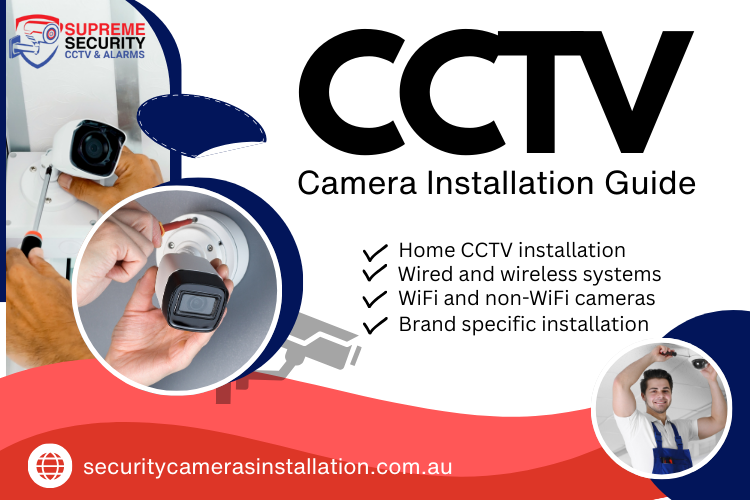
This guide explains how to install CCTV cameras step by step, covering home CCTV installation, wired and wireless systems, DVR-based setups, WiFi and non-WiFi cameras, and brand-specific installations.
It also helps you decide when DIY(do-it-yourself) works and when professional installation is the smarter and safer option.
This blog is written by technicians for CCTV Installation, based on hands-on experience delivering residential and commercial CCTV projects across Melbourne, Victoria.
Why Proper CCTV Installation Matters More Than the Camera Brand
Many people focus heavily on camera brands and features but overlook installation quality. Even the most expensive CCTV camera will fail if installed poorly. Incorrect camera angles, weak mounting, bad cable management, or poor configuration can lead to blind spots, unusable footage, and frequent system failures.
In Melbourne, CCTV systems must also meet privacy expectations, site-specific risks, and environmental conditions. Professional planning ensures your system captures useful evidence, not just video.
Understanding CCTV Camera Types Before Installation
Before installing security cameras, you need to understand the different system types available in the market as dome and bullet cameras and how they function in real-world conditions.
1. Wired CCTV Camera Systems
Wired CCTV cameras connect directly to a DVR (Digital Video Recorder) or NVR (Network Video Recorder) using cables. These systems record footage locally and do not rely on WiFi to function.
In Melbourne, wired CCTV camera systems are widely used in:
- Residential homes cctv installation
- Retail stores cctv installation
- Warehouses cctv installation
- Workplace cctv installation
- Construction sites cctv installation
Wired cameras provide stable performance, consistent video quality, and better long-term reliability. They also continue recording during internet outages, which makes them ideal for security-critical environments.
2. Wireless CCTV Camera Systems
Wireless cameras transmit video wirelessly but still require a reliable power source e.g. Solar-powered cctv setups. These systems reduce the need for long cable runs, making them suitable for homes and small businesses.
Wireless systems work well where running cables is difficult, but performance depends heavily on signal strength and interference. Poor WiFi coverage can affect live viewing and alerts.
3. WiFi CCTV Cameras
WiFi CCTV cameras connect directly to your internet network and allow remote viewing through mobile apps. These cameras are popular for home security in Melbourne because they are easy to install and user-friendly.
However, WiFi cameras depend on stable internet connectivity. In properties with weak WiFi coverage, cameras may disconnect or fail to upload footage. Install these only if you have stable network connection.
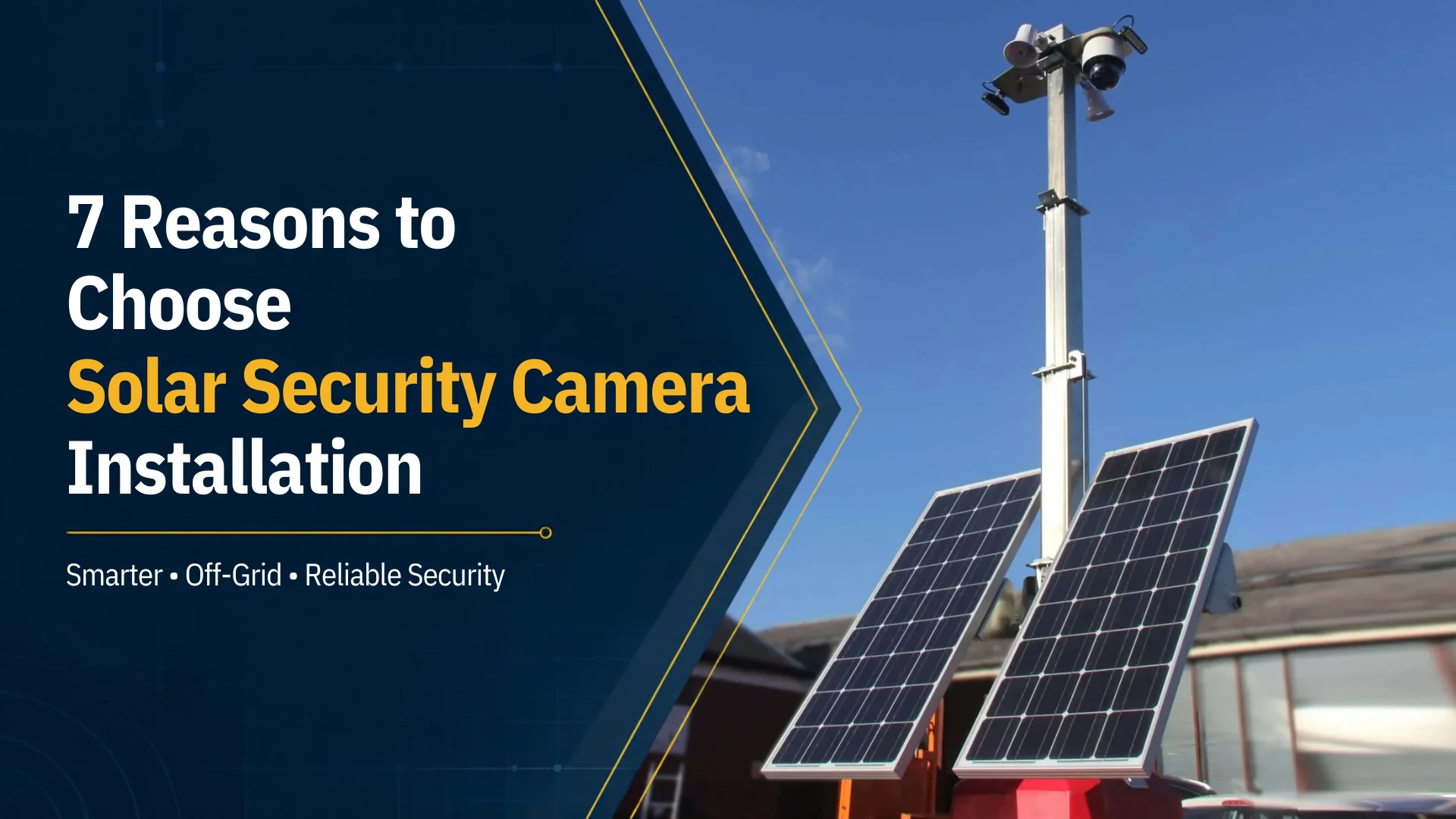
4. Solar CCTV Cameras
Solar CCTV cameras operate using solar panels and internal batteries. These systems work well in remote or temporary locations where power access is limited such as rural areas or farms requiring CCTV installation.
They are commonly installed in:
- Construction sites
- Farms
- Car parks
- Remote properties
If you are considering this option, we provide professional solar CCTV installation services in Melbourne, contact us for expert advice.
Can CCTV Cameras Work Without WiFi?
Yes, CCTV cameras can operate fully without WiFi. Wired CCTV systems record footage directly to a DVR or NVR using internal hard drives. WiFi is only required if you want to:
- View cameras remotely
- Receive mobile alerts
- Access cloud storage
For many Melbourne businesses, non-WiFi CCTV systems provide better security and reliability. See Industries that operate over non wifi cctv setups.
How to Install CCTV Cameras Step by Step (General Process)
While installation steps vary slightly depending on system type, the overall process remains consistent.
Step 1: Site Assessment and Camera Planning
Start by identifying key risk areas such as entry points, driveways, corridors, and blind spots. Consider lighting conditions, camera range, and potential obstructions.
Good planning prevents wasted coverage and ensures footage captures faces, movements, and activities clearly.
See Detailed blog: Best Spots to Install Surveillance Cameras at home
Step 2: Camera Mounting and Positioning
Mount cameras at a height that prevents tampering while still capturing usable footage. Outdoor cameras typically work best at 8–12 feet, while indoor cameras sit slightly lower.
Avoid pointing cameras directly at bright light sources, reflective surfaces, or public areas that could create privacy issues.
Step 3: Cable Routing or Wireless Configuration
For wired systems, cables must run cleanly from each camera to the recorder. Poor cable routing increases failure risk and looks unprofessional.
For wireless systems, ensure strong signal strength and secure network configuration.
Step 4: DVR or NVR Setup
Install the hard drive, connect cameras, and configure recording settings. Set recording schedules, motion detection zones, and storage limits.
Step 5: Cameras Testing and Configuration
Always test:
- Day and night footage
- Motion alerts
- Recording playback
- Remote access
This step ensures the system works correctly before relying on it for security.
How to Install CCTV Cameras at Home (Beginner-Friendly Guide)
Home CCTV installation in Melbourne usually focuses on simplicity and coverage rather than complex configurations.
Most homes benefit from cameras covering:
- Front door
- Back entrance
- Driveway
- Side access points
While DIY installation works for basic WiFi cameras, larger homes often require professional planning. For reliable results, many homeowners choose residential CCTV installation in Melbourne to avoid blind spots and future issues.
How to Install Wired CCTV Cameras at Home
Installing wired CCTV cameras requires drilling, cable management, and recorder placement. This setup suits homeowners who want stable, long-term security without relying on WiFi.
Wired systems also offer better night vision performance and longer recording durations.
How to Install Wireless & WiFi CCTV Cameras
Wireless camera installation involves pairing cameras with mobile apps, connecting them to WiFi, and configuring alerts.
Ensure your router provides strong coverage where cameras are installed. Weak signals lead to dropped connections and delayed alerts.
How to Install CCTV Cameras with a DVR
DVR-based CCTV systems are common in Melbourne homes and businesses.
The DVR acts as the system’s brain, storing footage and managing recordings. Cameras connect directly to the DVR using cables, ensuring consistent performance even without internet access.
How to Install AU Vision CCTV Cameras
Au Vision is one of the most rapidly spreading CCTV brands in Australia. Its Installation requires proper configuration to unlock full features.
Au Vision systems involve:
- Camera and recorder pairing
- Network configuration
- Mobile app setup
- Recording schedules
Incorrect setup often leads to security vulnerabilities or poor performance.
Check out our custom-designed AU Vision CCTV camera packages for perfect security with all advanced features.
How to Install Dahua CCTV Cameras
Dahua CCTV systems use similar technology but require brand-specific configuration as AU Vision but through Dahua recorders and mobile apps.
Professional installation ensures optimal video quality, secure access, and long-term reliability. As the market-leading security installation company, we have designed affordable Dahua CCTV packages to provide you with the best possible security.
Commercial CCTV Installation vs Home Installation
Commercial CCTV systems differ significantly from home setups. Businesses require compliance, scalability, and advanced monitoring.
Commercial CCTV installation is common in:
- Offices
- Retail stores
- Warehouses
- Factories
- Hospitality venues
For reliable results, hire experienced commercial CCTV installers in Melbourne.
Why CCTV Maintenance Matters After Installation
CCTV security systems require ongoing maintenance to stay effective. Dust, weather, power issues, and software updates can affect performance. Therefore, regular maintenance and cameras cleaning ensures:
- Clear footage
- Functional night vision
- Reliable recording
- System longevity
Learn more about professional CCTV maintenance and repair services in Melbourne.
DIY CCTV Installation vs Professional Installation in Melbourne
DIY installation works for small systems but carries risks.
DIY may be suitable if:
- Installing a single WiFi camera
- No cabling is required
- Security risks are low
Professional installation is recommended if:
- Using branded systems as Dahua, Au vision, Hikvision
- Installing wired cameras
- Covering large properties
- Needing compliance and warranties
Partnering with right CCTV Installers in Melbourne
Professional installers provide:
- Correct camera placement
- Clean cable management
- Brand-specific configuration
- Ongoing support
- Warranty protection
This ensures your CCTV system performs reliably when it matters most.
Final Words
We hope this master guide covers everything you need to know about installing CCTV cameras in Melbourne and anywhere, including:
- Home CCTV installation
- Wired and wireless systems
- WiFi and non-WiFi cameras m6
- DVR setups
- Brand specific Hikvision, Au Vision, and Dahua CCtv installation
- Residential and commercial security
If you want long-term protection and reliable performance, professional installation is always the safer choice. So always choose your nearby reputable cctv installation company.