Understanding the Importance of a Strategic CCTV Layout
A well-planned CCTV layout is the foundation of any effective surveillance system because it determines how well your property is protected. Without proper planning, even high-quality cameras can miss critical areas, creating blind spots that reduce overall security. A strategic design ensures every corner is monitored, camera angles are optimized, and footage remains useful for real-time monitoring and evidence. Professional planning through security camera installation services helps ensure the system is designed for full coverage instead of random placement, improving long-term reliability and protection.
Mapping Your Property Before Installation
Before installing any camera, it is essential to carefully map your entire property to understand its structure and weak points. This process involves identifying entrances, windows, driveways, and hidden areas where unauthorized access could occur. A proper map helps visualize how cameras should be positioned to ensure full visibility without unnecessary overlap. It also reduces installation errors and improves system efficiency. When planning is done correctly, every important zone gets coverage, and no critical area is left exposed or unmonitored.
Identifying Common Blind Spots in Security Systems
Blind spots are one of the biggest weaknesses in any surveillance system because they represent areas where cameras cannot capture activity. These usually occur in corners, behind large objects, or in narrow pathways between structures. Poor lighting and obstructions like walls or trees can also create coverage gaps. Identifying these issues early allows you to adjust placement or add additional cameras where needed. A properly designed system ensures that no hidden area remains unprotected, improving overall security effectiveness.
Choosing the Right Camera Types for Full Coverage
Selecting the right camera type is essential for building a balanced and efficient security system. Dome cameras are often used indoors for wide coverage, while bullet cameras are ideal for long-distance outdoor monitoring. Wide-angle cameras help cover large open spaces, and PTZ cameras are useful for tracking movement across wider areas. Using a combination of these ensures that different zones receive appropriate coverage. Each camera type serves a specific purpose, and when used correctly, they work together to eliminate blind spots effectively.
Planning Entry Point Surveillance
Entry points are the most critical areas to secure because they are the primary access routes into any property. These include front doors, back doors, gates, and garages. Proper surveillance of these areas ensures that all movement is recorded clearly and continuously. Cameras should be positioned to capture both approaching and leaving activity for complete visibility. Overlapping angles can further enhance security by removing blind zones. A strong focus on entry points significantly reduces the risk of unauthorized access.
Creating Overlapping Camera Zones
Overlapping camera zones are an advanced strategy used to eliminate blind spots completely by ensuring that multiple cameras cover the same area from different angles. This allows continuous tracking of movement even if one camera’s view is partially blocked. It also improves evidence collection since multiple angles capture the same activity. This technique is widely used in professional installations to create seamless coverage across the entire property. Proper overlap ensures there are no gaps in surveillance, making the system much more reliable.
Optimizing Camera Height and Angle
Camera height and angle play a major role in determining the effectiveness of surveillance footage. If a camera is placed too high, important details like facial features may become unclear, while placing it too low can limit its field of view. The ideal height ensures a balance between wide coverage and clear identification. Angling the camera slightly downward helps capture movement naturally without distortion. Proper adjustment of both height and angle ensures maximum visibility and reduces the chances of blind spots forming.
Using Wide-Angle vs Zoom Cameras Effectively
Different areas require different camera capabilities, and choosing between wide-angle and zoom cameras depends on the level of detail needed. Wide-angle cameras are best suited for large open spaces such as yards or parking areas because they cover more area with fewer devices. Zoom cameras, on the other hand, are ideal for entry points or sensitive zones where detailed monitoring is required. Using both types together ensures a balanced system that provides both broad coverage and detailed surveillance where necessary.
Indoor vs Outdoor Camera Placement Strategy
Indoor and outdoor camera placement requires different approaches because each environment presents unique challenges. Outdoor cameras are designed to monitor perimeters, entrances, and open areas while withstanding weather conditions. Indoor cameras focus on monitoring internal movement and securing important spaces such as hallways or storage rooms. Combining both ensures complete protection from external threats and internal risks. A well-balanced setup creates a continuous security network that covers the entire property effectively.
Reducing Environmental Obstructions
Environmental factors can significantly impact the performance of security cameras if not properly managed. Objects such as trees, poles, furniture, or even lighting reflections can block or distort camera views. Weather conditions like rain, fog, or glare can also reduce visibility. Regular inspection and proper placement help minimize these issues. Ensuring a clear line of sight is essential for maintaining consistent footage quality and preventing blind spots caused by physical or environmental obstructions.
Professional CCTV Installation vs DIY Setup
While DIY installation may seem cost-effective, it often leads to improper camera placement, poor wiring, and missed blind spots that weaken the entire system. Professional installation ensures that every camera is positioned correctly based on a detailed layout plan. Experts understand angles, coverage zones, and system integration, which improves overall performance. Using security camera installation services ensures the system is built for reliability, efficiency, and maximum coverage from the beginning.
Customized CCTV Solutions for Different Property Types
Every property has different security requirements, and a one-size-fits-all approach does not work effectively. Residential properties usually focus on entrances and outdoor spaces, while retail environments require monitoring of customer areas and transaction points. Industrial locations need large-scale coverage for warehouses and perimeters. Custom-designed systems ensure that each property type receives targeted protection. This tailored approach improves efficiency and ensures that no important area is left unmonitored.
Cost-Effective CCTV Packages for Full Coverage
Using bundled CCTV packages is a smart way to achieve full coverage without overspending on individual components. These packages are designed with balanced camera distribution, ensuring all important areas are covered effectively. They also simplify installation and reduce overall setup time. Instead of selecting each device separately, pre-designed packages offer convenience and cost efficiency. You can explore suitable options through CCTV packages Melbourne for complete and affordable security solutions.
Special Offers on Professional Security Installations
Special offers make it easier to access professional CCTV systems at reduced costs while still maintaining high-quality installation standards. These deals often include discounted installation rates, bundled equipment, or upgraded system features. Taking advantage of these offers helps reduce the overall investment required for a complete security setup. You can check available deals through special offers and choose a package that suits your security needs and budget.
Why Local Expertise Matters for CCTV Installation in Urban Areas
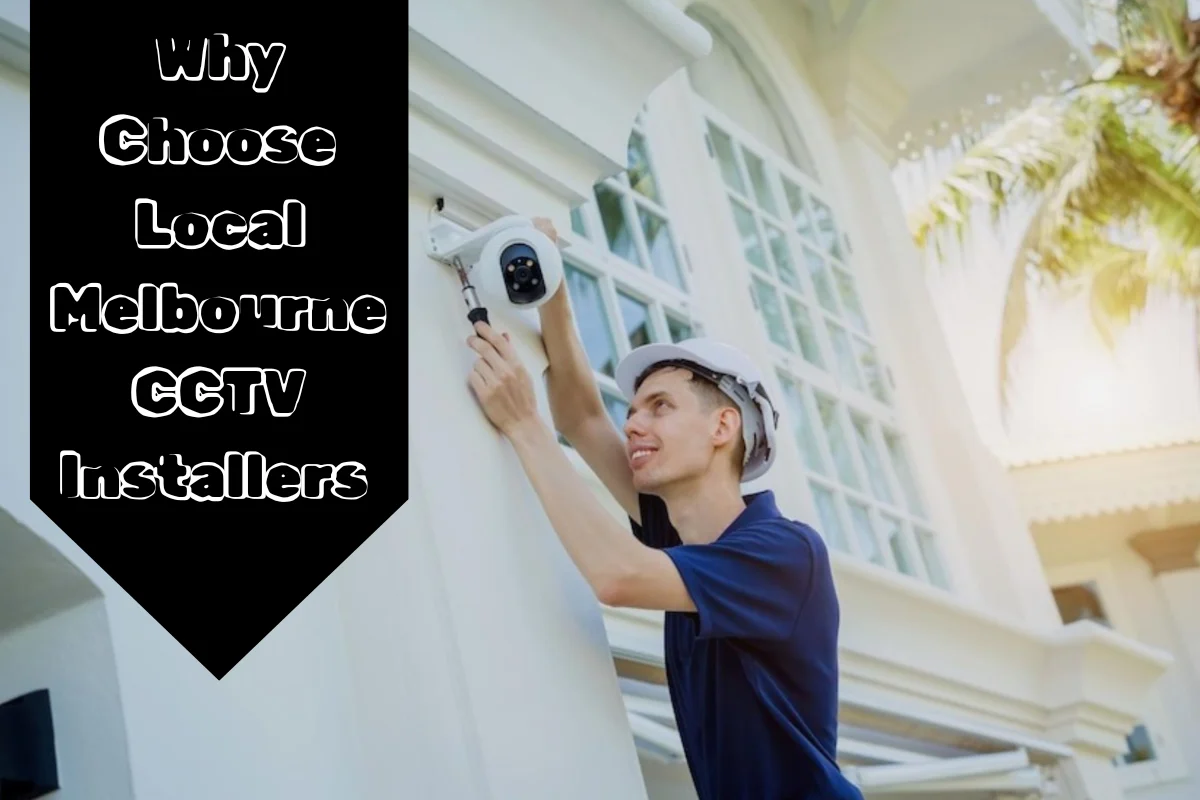
Urban environments present unique challenges such as limited space, high traffic, and complex building layouts. Local experts understand these conditions and design CCTV systems that adapt to real-world challenges effectively. They know how to position cameras to handle lighting issues, movement density, and structural limitations. Choosing local expertise ensures that your system is optimized for the specific environment. For city-based installations, services like CCTV installation Melbourne CBD provide tailored solutions for maximum efficiency.
FAQs
What is the best way to avoid blind spots in a security camera layout?
The best way is to carefully plan camera placement before installation, ensuring overlapping coverage and proper angles. Mapping the property, identifying weak points, and using a mix of camera types helps eliminate hidden zones and ensures full surveillance coverage.
How many cameras do I need for full property coverage?
The number of cameras depends on property size, layout, and entry points. Small homes may need 4–6 cameras, while larger properties require more. A professional assessment ensures the right number is used without creating blind spots or unnecessary overlap.
Why is professional installation better than DIY CCTV setup?
Professional installation ensures correct positioning, proper angle selection, and complete coverage without blind spots. DIY setups often miss critical areas or use incorrect angles, reducing system effectiveness. Experts design a layout that maximizes security and long-term reliability.
What camera types are best for eliminating blind spots?
A combination of dome, bullet, and wide-angle cameras works best for full coverage. Dome cameras handle indoor areas, bullet cameras secure long-distance outdoor zones, and wide-angle cameras cover large open spaces, ensuring no critical area is left unmonitored.
Can lighting and environment affect security camera performance?
Yes, poor lighting, glare, weather conditions, and physical obstructions like trees or walls can create blind spots or reduce image quality. Proper placement and regular maintenance help ensure clear visibility and consistent recording in all conditions.